

About the +ART Column
In the +ART Column, we share articles meant to make art feel a little closer to home. From seasonal artist recommendations to clear, beginner-friendly explanations, we explore the appeal of art from many angles. Our aim is to offer little hints that let art settle naturally into your everyday life. Please relax and enjoy the world of art.
Contents
- Introduction
- Is Acrylic Painting Tough!?
- The Possibilities of Acrylic Paint Are Endless!
- Acrylic Masterpieces That Shaped Contemporary Art
- Acrylic Paintings Are a Perfect Match for Your Interior!
- In Closing
Introduction
What image comes to mind when you think of acrylic painting?
Vivid color, bold brushwork, and at times even delicate gradations.
Its freedom of expression is loved by many artists!
In fact, acrylic paint is widely used across the world of contemporary art, and it has a unique appeal all its own, quite different from oils or watercolors!
In this article, we'll cover plenty of ground: the characteristics and techniques of acrylic painting, notable artists and works, and even how to enjoy it as part of your interior décor!

Is Acrylic Painting Tough!?
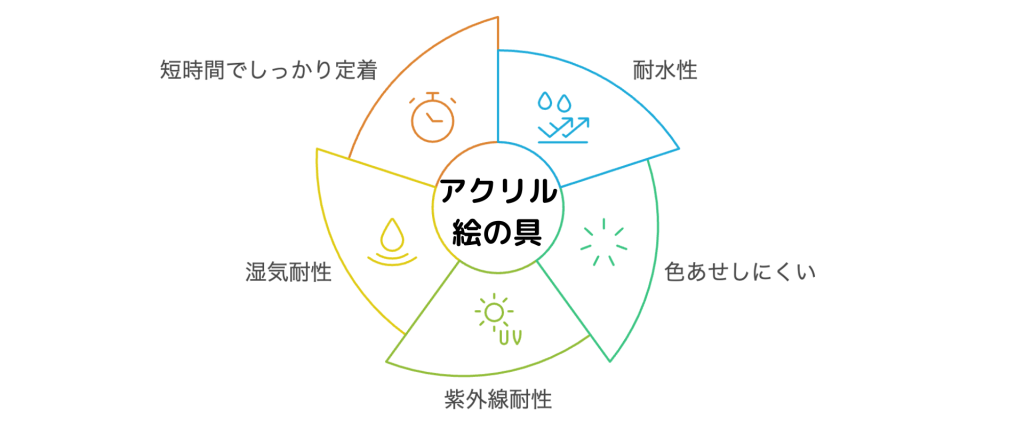
One of the great features of acrylic painting is its durability!
Acrylic paint owes its various qualities to a composition in which pigment is encased in resin.
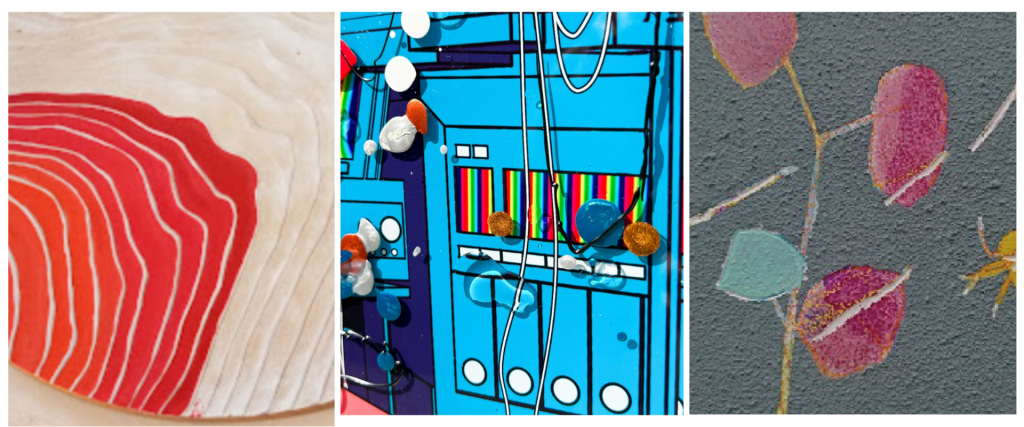
What's more, acrylic paint can be applied not only to canvas but also to wood, glass, plastic, fabric, and many other materials, greatly widening the possibilities of art!
That's why it is also widely used for street art and murals.
The Possibilities of Acrylic Paint Are Endless!
The appeal of acrylic paint lies, above all, in its sheer breadth of expression!
You can apply it thickly like an oil painting or bring out transparency like a watercolor — the finished look changes dramatically depending on the technique. Here we introduce some of the most representative acrylic techniques.
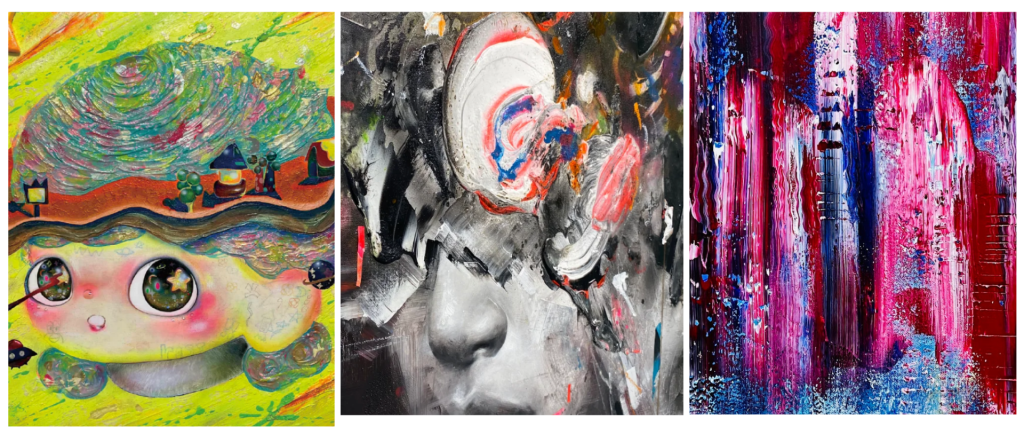
The Impasto Technique
“Pile the paint on with abandon!” — that kind of dynamic expression is exactly what the impasto technique offers.
Using a brush or palette knife to lay paint on thick, layer upon layer, creates a sculptural sense of relief.
It's a technique often used in modern abstract painting, perfect for expressing energy and movement!
The Glazing Technique
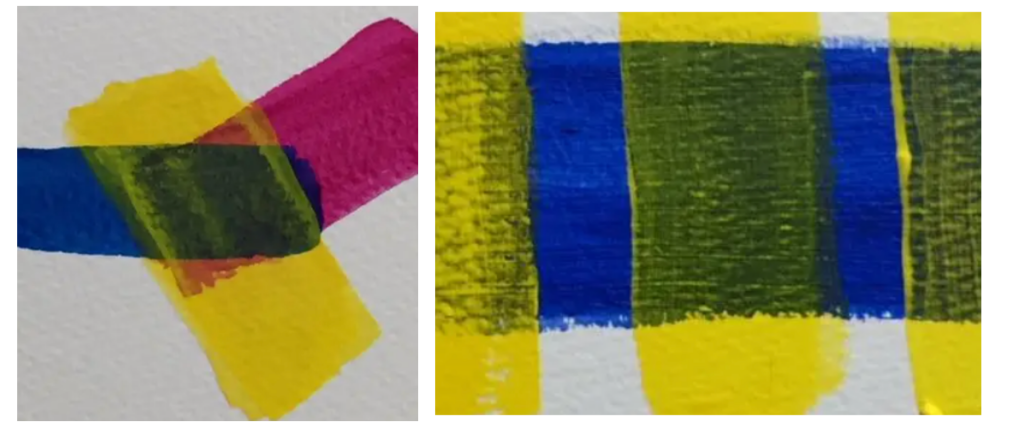
Characterized by “see-through layers of color,” the glazing technique builds up many coats of diluted paint to create color with depth.
For example, paint blue first, then layer a thin yellow over it, and a deep green emerges.
It's the perfect technique for anyone who loves a transparent, watercolor-like finish!
Dripping
Dripping might be called “art born of chance.”
It's a technique of dripping paint from a brush or pipette, or flicking a brush to scatter it, to create accidental patterns.
The works of American painter Jackson Pollock are the classic example; he would lay the canvas on the floor and fling paint using his whole body.
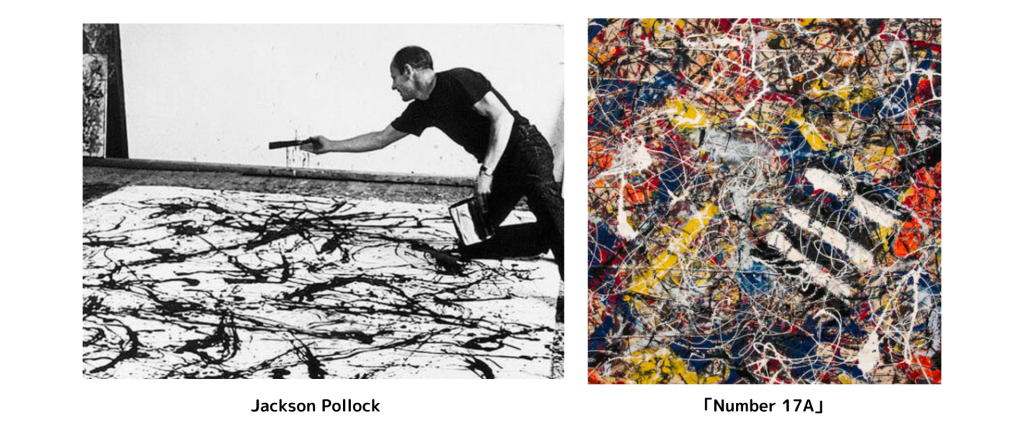
Thanks to this rich variety of techniques, acrylic painting is cherished as a medium that lets artists express their individuality to the fullest!
Acrylic Masterpieces That Shaped Contemporary Art
Acrylic paint came into wide use in the mid-20th century.
Many contemporary artists harnessed its possibilities to create new forms of expression. Here we introduce some landmark works that left their mark on the history of acrylic painting!
David Hockney, A Bigger Splash
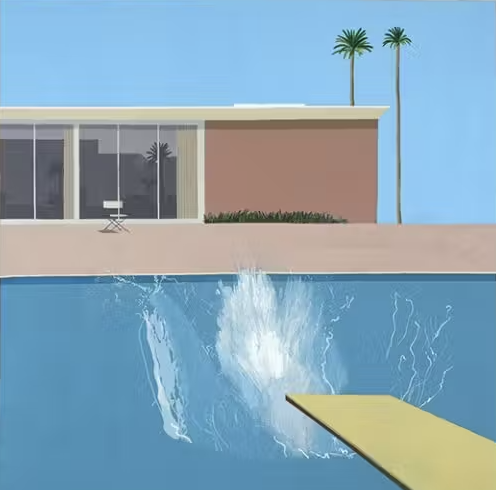
Year: 1967
Collection: Tate Britain (London)
One work in a series themed on the swimming pools of Los Angeles.
Drawing on the brilliant color and fast-drying nature of acrylic paint, Hockney created vivid, pop-like color and a simple composition.
Gerhard Richter, Abstract Building 809-4
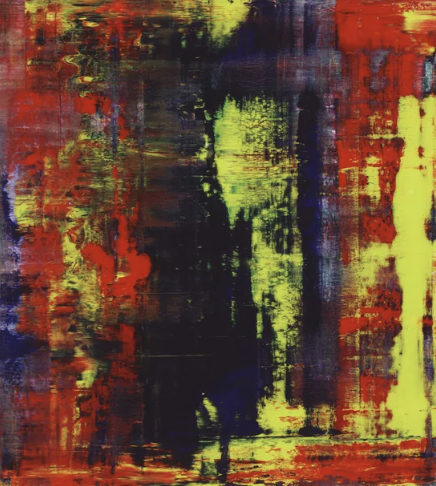
Year: 1994
Collection: Glenstone Museum (USA)
Richter, a master of contemporary art, established his own method of dragging acrylic paint across the surface with a tool called a squeegee.
The abstract expression created by chance layerings and flows of color is its great appeal.
Andy Warhol, Marilyn Monroe
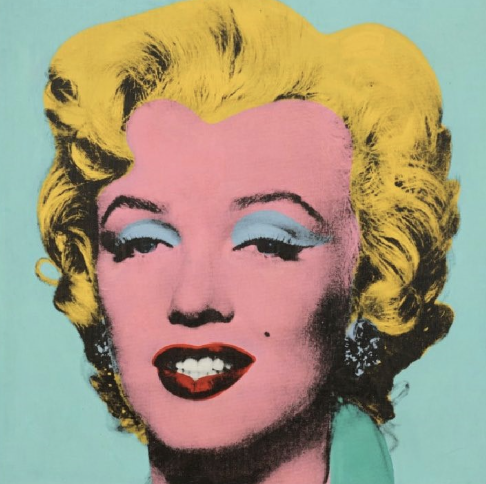
Year: 1962
Collection: Tate Modern (London), The Metropolitan Museum of Art (New York), and others
Warhol, the master of Pop Art, created this by combining acrylic paint with the silkscreen technique.
Marked by vivid color and bold contrast, it elevated popular culture into art.
Acrylic Paintings Are a Perfect Match for Your Interior!
Acrylic painting is prized for its vivid color and versatile expression.
It blends easily into both modern spaces and classic rooms, and simply displaying one makes for a stylish accent!
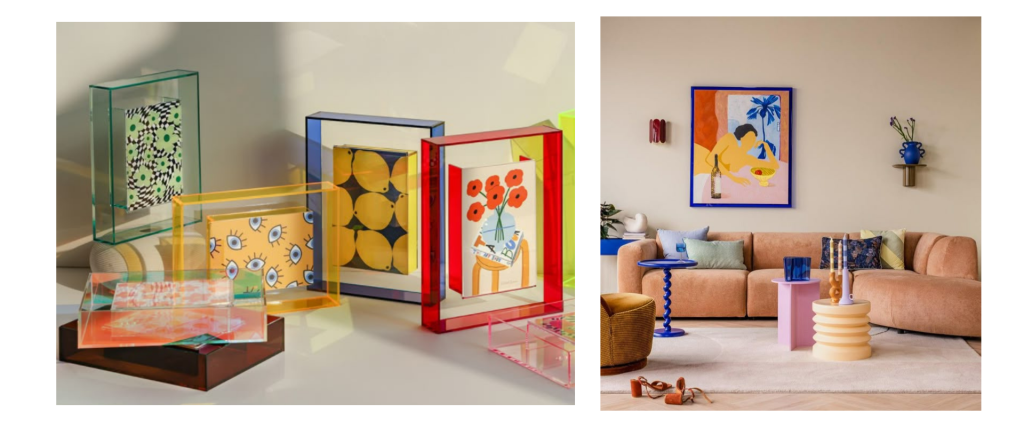
Acrylic painting comes in such a variety of styles that it suits any interior — why not bring it into a space that's truly your own?
In Closing
Acrylic painting is a highly versatile art form — durable and capable of all kinds of expression!
The masters of contemporary art embraced it, giving rise to new movements such as Pop Art and Abstract Expressionism. It's also easy to incorporate as décor, with the power to completely transform the mood of a room!
Why not bring the free, vivid appeal of acrylic painting into your own life?
▶ Official Site: +ART
▶ONLINE SHOP


