About the +ART Column
In the +ART column, we share articles designed to make art feel a little closer to home. From seasonal artist recommendations to clear, beginner-friendly explanations, we explore the appeal of art from many angles. Our aim is to help you find ideas for letting art slip naturally into everyday life. We hope you'll feel free to enjoy the world of art.
Contents
- Introduction: What is primitive art? Its definition and significance
- 1. Art of the Paleolithic: expression that carves out life
- 2. Art of the Mesolithic: the development of group depiction
- 3. Art of the Neolithic: the development of ornament and symbol
- 4. The challenges of primitive art and its influence on later art
- Summary: the perspective that comes from understanding primitive art
Introduction: What is primitive art? Its definition and significance
Trace the history of art back, and one of its oldest forms of expression is "primitive art." This includes prehistoric art and the art of tribal societies, referring to aesthetic expression from before the development of Western art history.
The purpose of primitive art was not merely aesthetic pursuit; it was closely tied to survival and to cultural activity. Cave paintings and carvings also served practical purposes, such as praying for success in the hunt or being used in communal rituals.
So how did artistic expression differ from one era to the next? In this article, we trace the evolution of art from the Paleolithic to the Neolithic, and consider both the appeal of primitive art and the challenges it poses.

1. Art of the Paleolithic: expression that carves out life
Paleolithic art is said to have begun around 20,000 years ago, and unlike everyday necessities, it is characterized by expression bound up with the hunt and with belief.
Cave painting: the art of the hunt and of prayer
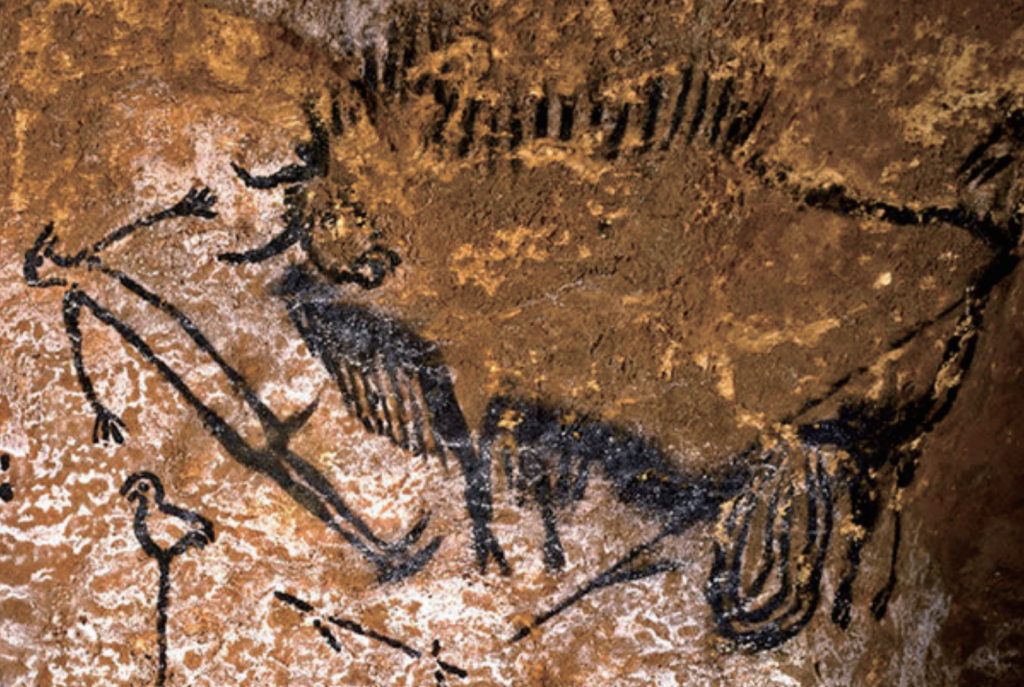
In cave paintings such as those at Lascaux (France) and Altamira (Spain), animals such as wild bison and horses are depicted realistically. These paintings are thought, with high probability, to have served not merely as decoration but a ritual role in praying for success in the hunt.
Venus figurines: symbols of fertility
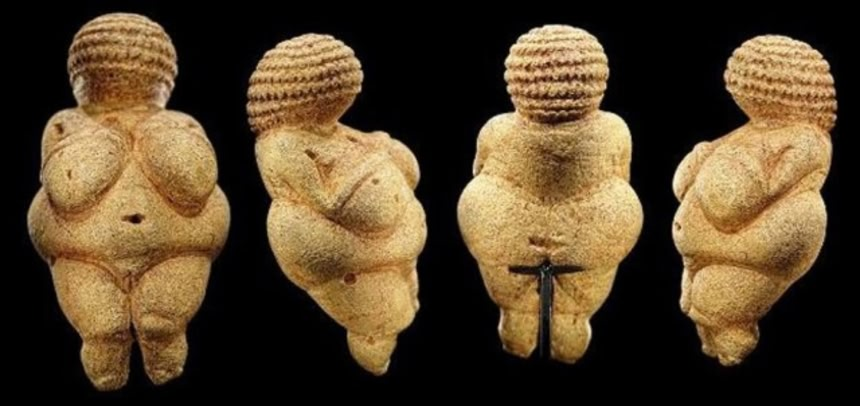
In this period, many female figures known as "Venus figurines" were made. Characterized by rounded bodies and simplified faces, they are thought to have been intended as prayers for fertility and abundance.
2. Art of the Mesolithic: the development of group depiction
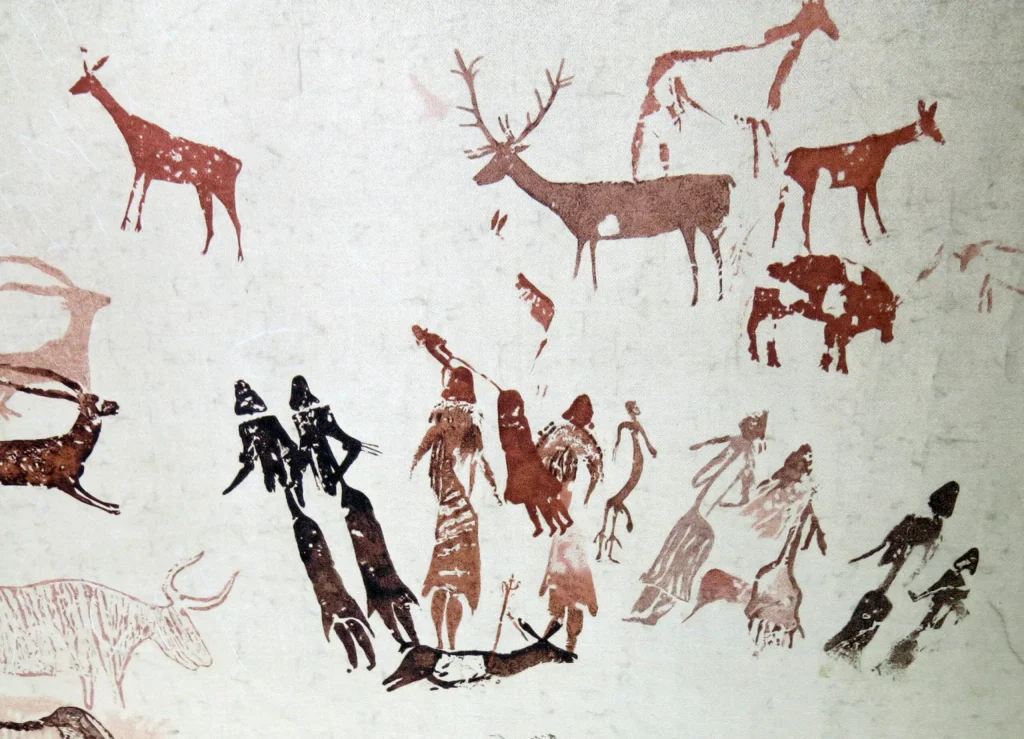
Whereas Paleolithic art mainly depicted animals, in the Mesolithic the human figure comes to be depicted in groups.
A representative example is the rock paintings of the Levant region of Spain. Here, hunting scenes and people engaged in shared activity are expressed concisely in line drawing. The art of this period changed into something that reflected social connection and communal life.
3. Art of the Neolithic: the development of ornament and symbol
In the Neolithic, humankind began a settled life and took up farming and herding. With this change, art too grew stronger in its decorative elements.
The emergence of pottery decoration
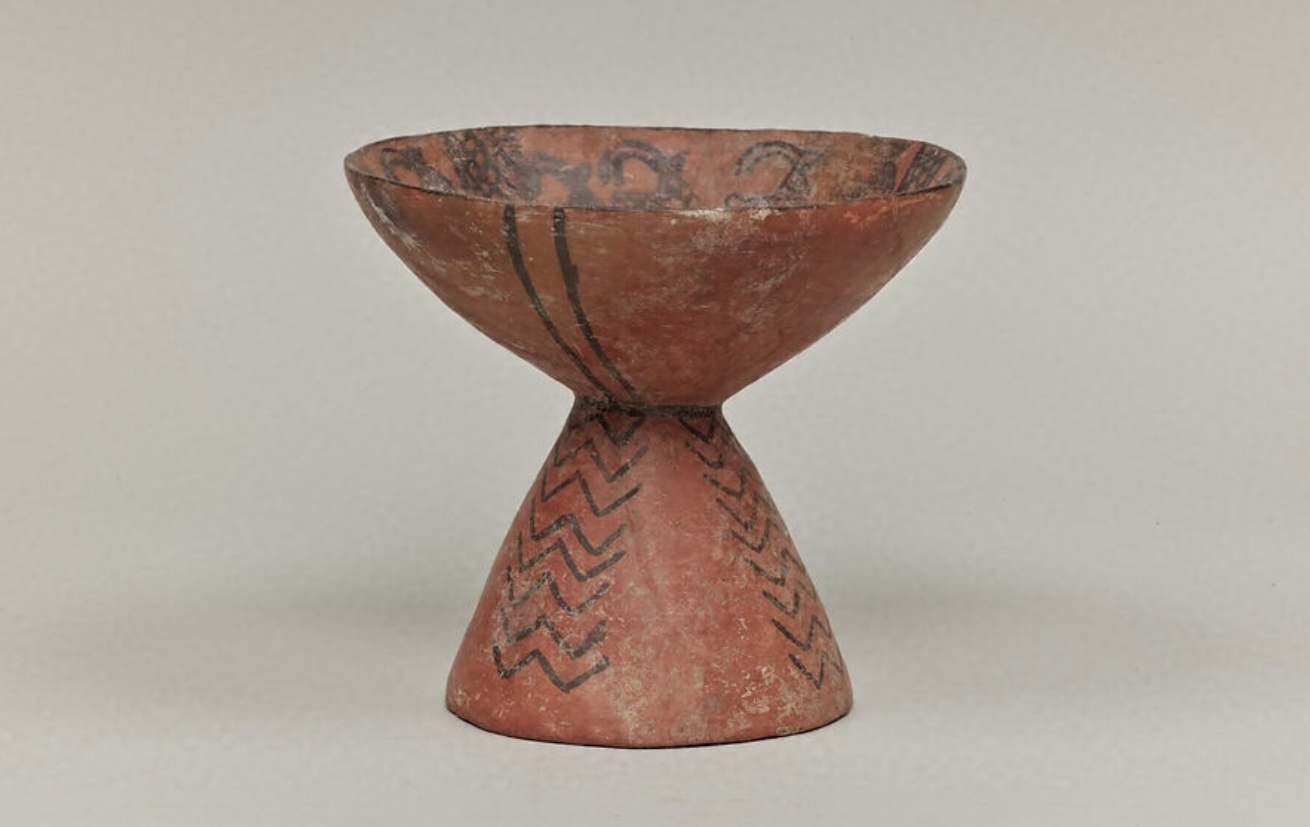
One of the representative forms of Neolithic artistic expression is painted pottery. These vessels were adorned with geometric patterns and animal designs, expressing religious and cultural symbolism.
From the representational to the symbolic
The modeling of female figures and livestock also developed, changing into art that carried symbolic meaning rather than mere reproduction.
4. The challenges of primitive art and its influence on later art
The difficulty of classifying primitive art
The very concept of "art" was created in later ages, and there are difficulties in classifying primitive art by modern aesthetic values. Whether the people of the time made these things as "art," or whether the purpose was primarily practical, is also a matter of debate.

Continuity with later art
While there is some doubt about drawing a straight line between primitive art and the flow of Western art history, it is thought that the concepts of symbolic expression and ornament influenced later religious art and abstract painting.
5. Summary: the perspective that comes from understanding primitive art
Primitive art was not merely aesthetic expression but a cultural activity bound up with life and belief. Through cave paintings, Venus figurines, painted pottery, and the like, we can catch a glimpse of the thinking and values of the people of the time.
The symbolic expression of primitive art also influenced later art history, and by considering this continuity we can confront the question of what the essence of art truly is.
When you enjoy art, holding on to this perspective of primitive art may give you a deeper understanding.
In closing
We hope you enjoyed this article. If it has helped you feel a little closer to art, nothing would make us happier.
+ART, built around the concept of “enjoying art,” offers services that let you experience contemporary art more fully—from planning and running exhibitions to selling works through our online shop.
With a focus on talented emerging artists, we carefully curate works full of individual character! We carry a diverse range of art, from paintings and beyond, so that even first-time buyers can shop with confidence.
To help you appreciate each work more deeply, we also share useful information in our column—artist interviews, ways to display art, tips on buying, and more.
We hope it becomes an opportunity for art to blend into your daily life and color it more richly.
Why not add a little art to your space?
▶ +ART
▶ ONLINE SHOP