

About the +ART Column
In the +ART column, we share articles designed to make art feel a little closer to home. From seasonal recommendations of artists to clear, beginner-friendly explanations, we explore the appeal of art from many angles. Our aim is to offer little hints that let art slip naturally into your everyday life. We hope you'll enjoy the world of art with ease.
Contents
- Introduction
- Are film frames built from the compositions of paintings?!
- The magic of color that moves emotions, learned from painting
- Is it true that film's stories were born from paintings?
- Summary
Introduction
While watching a film, have you ever felt "this is as beautiful as a painting…"?
In fact, film and painting share a deep, inseparable bond, and many directors draw their inspiration from paintings.
In this article, we'll explore why films can feel just like moving paintings!

Are film frames built from the compositions of paintings?!
The technique of "tableau vivant (the living picture)"
In films, scenes sometimes appear that look as though a painting has been recreated exactly as it is. This is a technique called "tableau vivant (the living picture)," which incorporates compositions reminiscent of Pieter Bruegel or Rembrandt.
The light and shadow Rembrandt painted are like film lighting
Rembrandt Harmenszoon van Rijn was a painter active in what is now the Netherlands.
His work is characterized by a technique that renders sharp contrasts of light and dark across a large canvas.
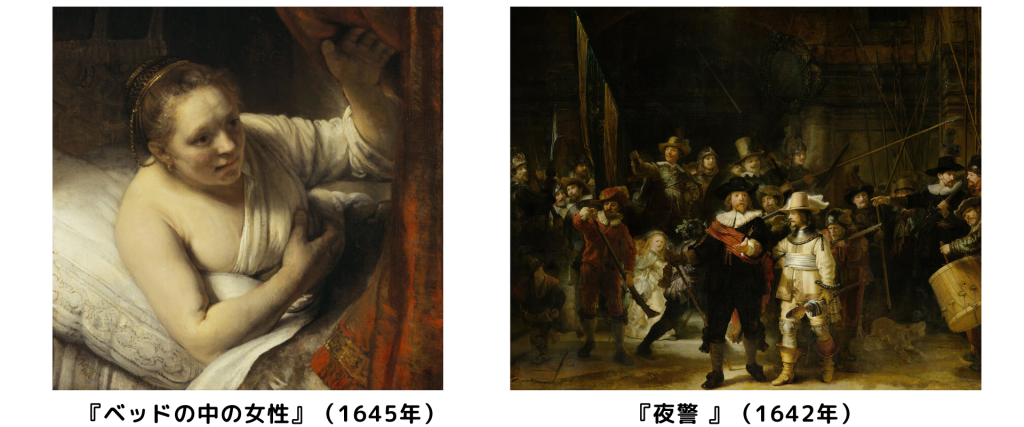
The effects of light that Rembrandt painted serve not only to express dramatic scenes but also to help us grasp the spatial structure.
By following the lines of light, we can imagine where and how the light arrives, which has the effect of making viewers imagine the space and depth beyond the frame.
This three-dimensional composition built with light is said to have influenced the framing and lighting of films!
Bruegel's works, also called precious visual records
Pieter Bruegel is known as one of the leading painters of 16th-century Netherlandish painting.
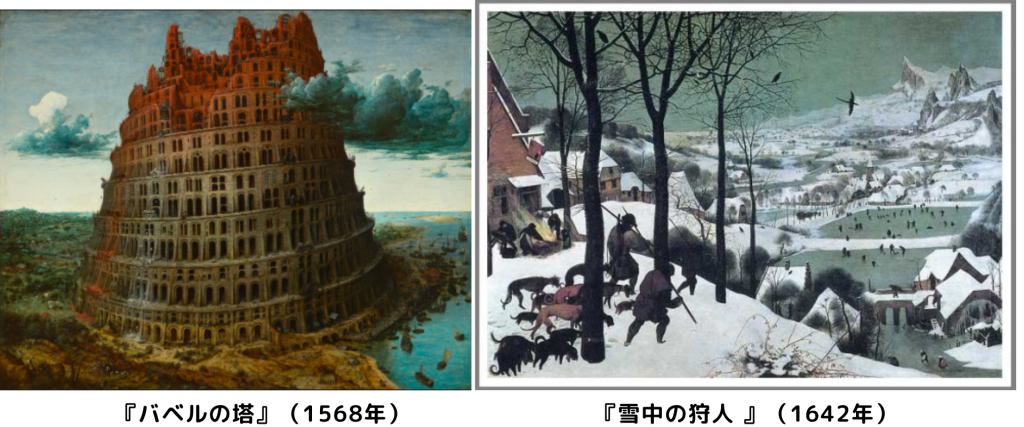
He is known for "crowd compositions" in which houses and other buildings, people, livestock, and monsters are meticulously rendered all across the picture, and his works are notable for details that are difficult to observe with the naked eye.
Films that drew on painters' compositions
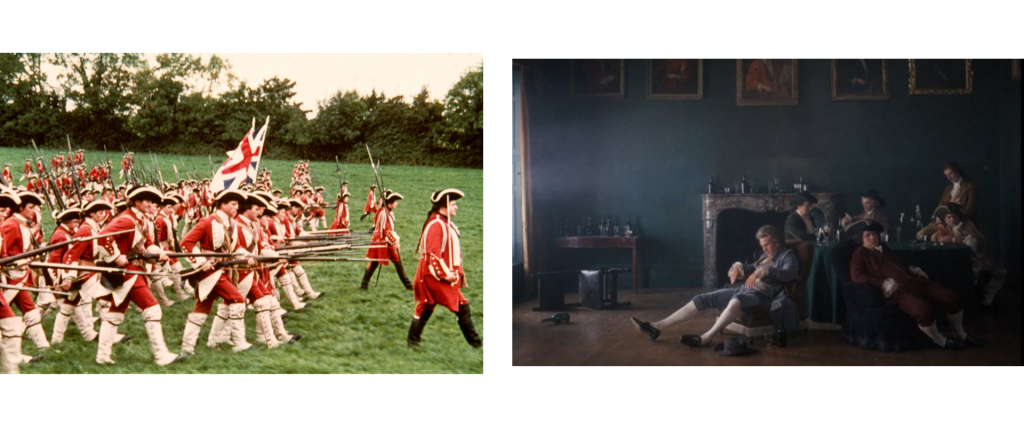
Stanley Kubrick's "Barry Lyndon" uses beautiful compositions and lighting reminiscent of 18th-century portraiture.
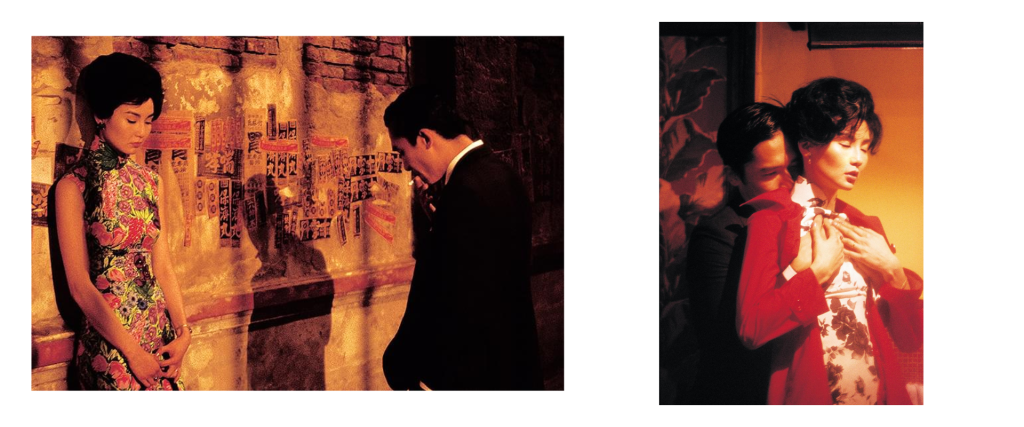
In Wong Kar-wai's "In the Mood for Love," light and shadow reminiscent of Vermeer's paintings are brought to life
The magic of color that moves emotions, learned from painting
The way color is used in film greatly sways the viewer's emotions.
This use of color, too, owes much to painting!
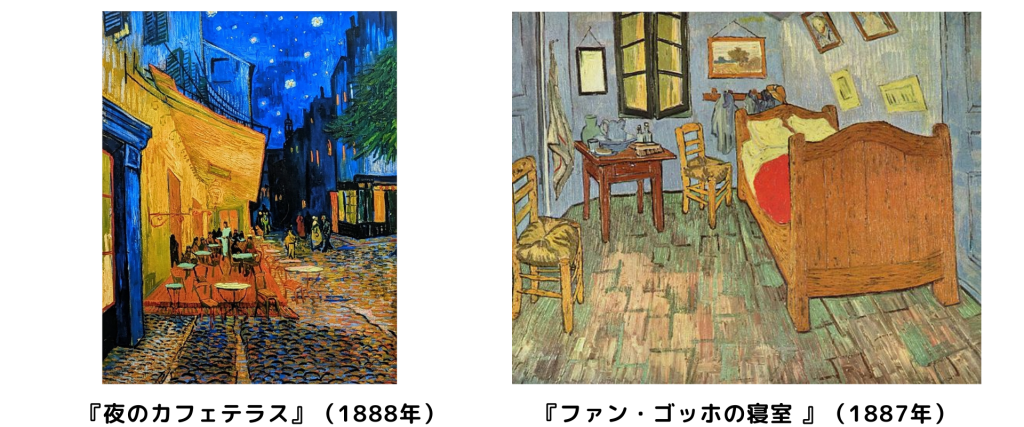
Color influenced by Van Gogh
Intense color reminiscent of Vincent van Gogh is sometimes brought into film!
Vincent van Gogh is renowned as a Post-Impressionist painter.
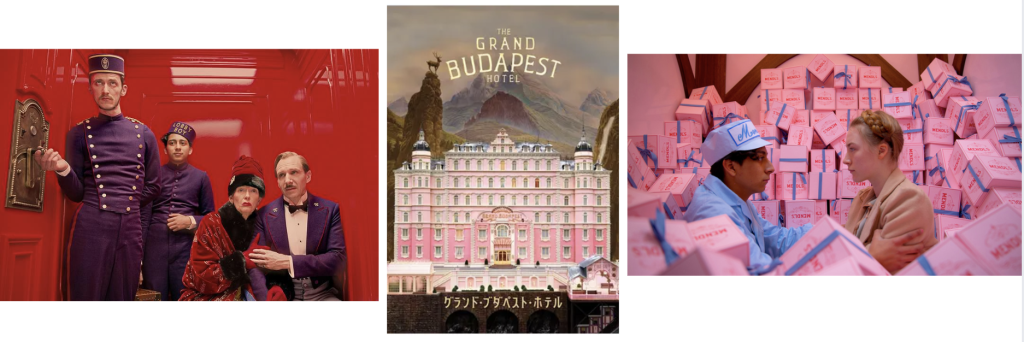
For example, in Wes Anderson's "The Grand Budapest Hotel," combinations of pastel colors create the mood of the entire film.
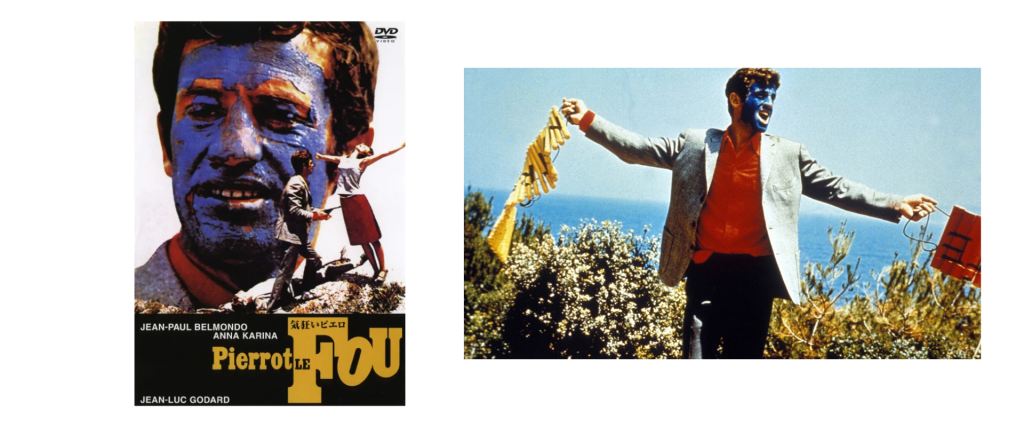
Godard and Pop Art
In director Jean-Luc Godard's "Pierrot le Fou," vivid colors reminiscent of Andy Warhol's Pop Art are employed, creating a striking visual impact.
Is it true that film's stories were born from paintings?
The themes and structures of paintings have at times influenced film stories as well!
Films born from myth and history paintings
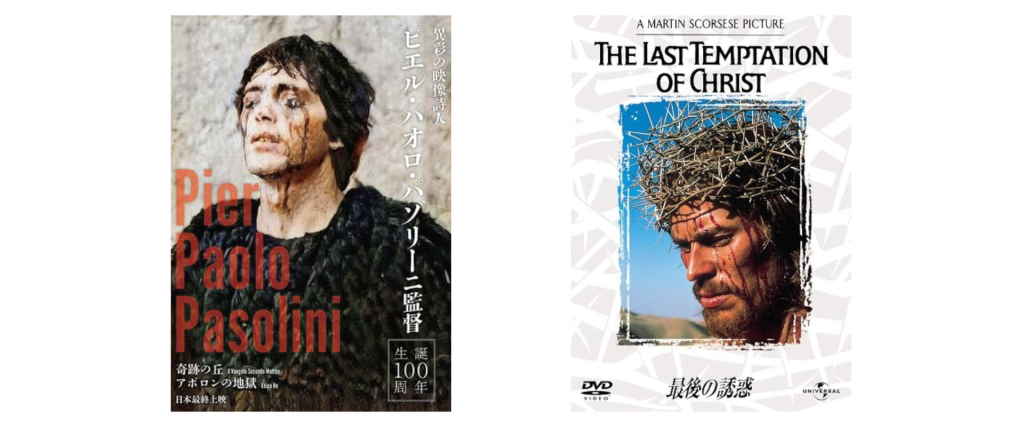
Renaissance religious and history paintings have served as sources of inspiration for film stories.
For example, Pasolini's "Oedipus Rex" and "The Last Temptation of Christ" are works based on the motifs of medieval religious paintings.
Unraveling the mysteries of religious paintings! What is the story woven into their beauty?
Bringing painting's themes to film
The works of Pieter Bruegel, the painter mentioned earlier, depict the lives of common people and the absurdities of society.
That perspective is reflected in the films of Tarkovsky and Bergman!
Andrei Tarkovsky
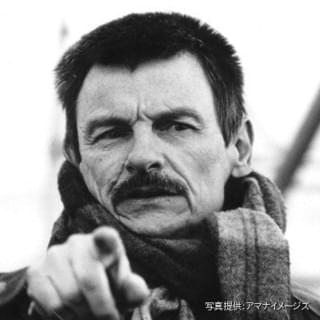
One of the leading Russian (Soviet) film directors of the 20th century.
His body of work — poetic, philosophical, and overflowing with visual beauty — had an immense influence on film directors and artists the world over.
Tarkovsky's films probe deeply into the human inner world and the realm of the spirit, dealing with universal themes such as life, death, memory, and time.
Ingmar Bergman
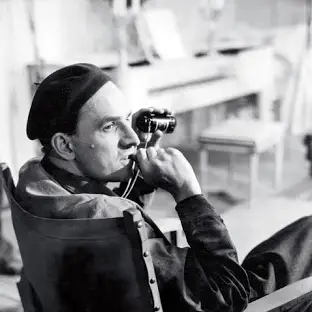
One of Sweden's foremost film directors, screenwriters, and stage directors.
Known for works that probe deeply into the human interior, he left a great mark on the film history of the 20th century.
He excelled at portraying human loneliness, anxiety, and anguish — at times symbolically, at times directly — and rendering them with great delicacy.
Summary
When you watch a film not merely as the flow of a story but as a "moving painting," you can enjoy it from a fresh perspective!
By understanding how directors draw inspiration from paintings, you can immerse yourself more deeply in a film's visual beauty.
The next time you watch a film, why not search for the "secrets of painting" hidden within its visual beauty?
Why not add a touch of art to your space?
▶ +ART
▶ ONLINE SHOP


